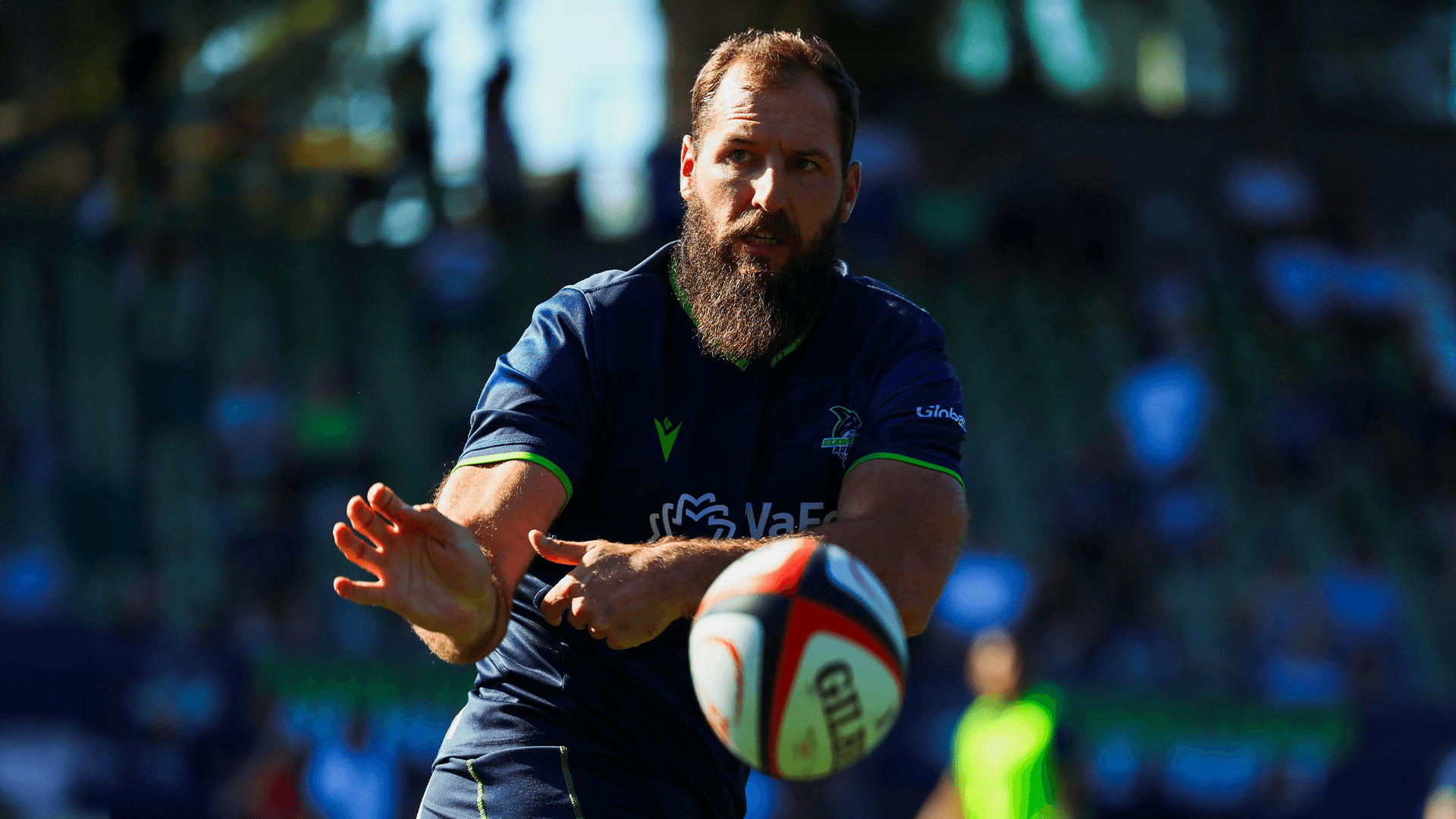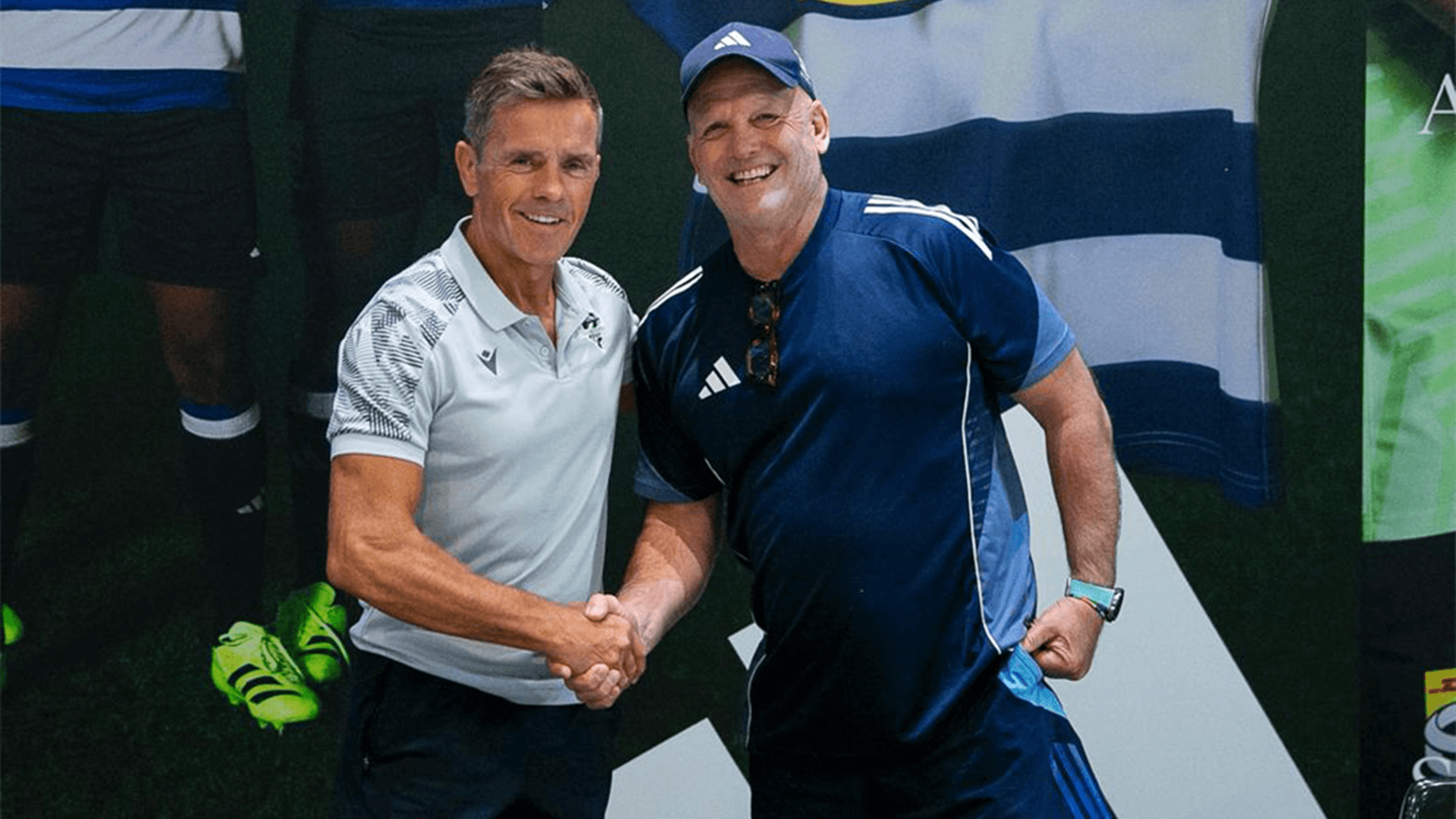
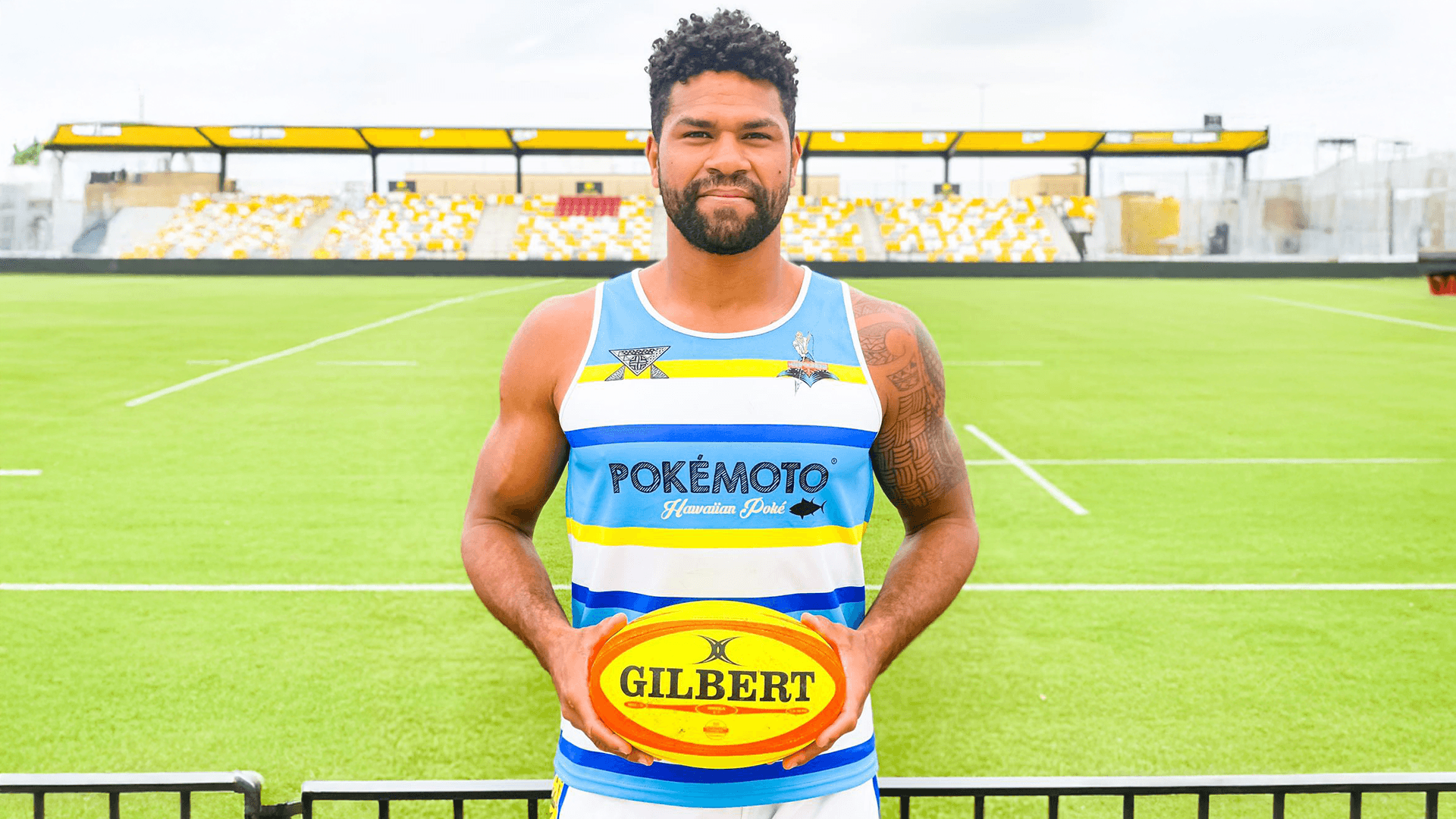
The Seattle Seawolves open their preseason on March 28 against a familiar opponent: the Hartford Harpooners, who return to Seattle for their second meeting with the club. The Harpooners are regrouping after more than a year away from competition and heading west again to test themselves against one of MLR's most established programs.
Leading that effort is founder Marcus Satavu, a former USA Sevens player who now focuses on creating opportunities for players working toward the next level.
The Hartford Harpooners officially launched in 2020, but the idea behind the team started years earlier through select side and development teams in Connecticut rugby.
Satavu helped build competitive programs in the region alongside mentor David Fischer, finding early success in Sevens tournaments. But he also saw many capable players struggling to get professional attention. So, he built a program designed to help bridge that gap.
The name comes from Connecticut's whaling history. The mission is straightforward.
"We like to find a lot of players that may not be getting the looks that they should be getting, that I believe they should be getting," Satavu says.
The team showed early it could compete. At a tournament in Fort Lauderdale, the Harpooners scored over 200 points across the weekend while allowing just 10. They followed that up with a win over Colorado XO, a program built around Division I crossover athletes and nationally recruited talent. The program now competes across Sevens, Tens, and Fifteens formats, adjusting schedules and tournaments to keep players active and visible. Several alumni have since moved into professional setups, including players who have gone on to opportunities connected with Seattle.
Now, the program returns to the Pacific Northwest.
Before he was building teams, Marcus Satavu was chasing the same dream as many of the players he now mentors.
Born in California and raised in a multi-cultural household with Fijian, Irish, and Native American roots, Satavu grew up surrounded by sport. His family ties to rugby ran deep, with multiple relatives representing national teams abroad. But in the United States, rugby still sat on the fringe, and his early athletic focus leaned toward traditional American sports.
This all changed on a childhood trip to Fiji as a child, where rugby was everywhere. Villages rallied around matches and players became heroes in their communities. The energy stuck with him. By the time he watched the USA Sevens team compete in San Diego at age 12, he had made up his mind: he wanted to wear that jersey.
He earned opportunities with USA Sevens starting in 2011, spending several years in the national team environment. But a serious injury around 2014 stalled his Olympic ambitions, and the financial reality of supporting a family forced a shift in priorities.
Rather than chase his own career further, he started thinking about how to build what he never had: a reliable pathway for players facing the same roadblocks.
“If I can't do that for myself anymore, I need to be the light.”
That mindset became the foundation for the Harpooners.
Unlike professional clubs, the Harpooners don’t operate with league funding or major sponsorship backing. There's no league funding or major sponsorship. Satavu bankrolls much of it through his own business ventures, with additional support from mentors and believers in the program.
Satavu's background helps; after the military, he built a career in the restaurant industry, buying and selling brands while launching other ventures along the way. Jersey sponsors are mostly friends, family businesses, and mentors. Players cover their own flights; the organization handles the rest.
MLR veterans are brought in to help younger players understand professional standards, and Satavu holds everyone to a simple standard:
“How you do anything is how you do everything.”
The environment is demanding by design. Players either rise to it or they don't.
Connecticut's maritime identity and the Seawolves' Pacific Northwest brand create an easy rivalry narrative, and Satavu leans into it. Orcas vs. whalers. Villains vs. hometown heroes.
“If we play the role of the villains, it makes Seattle the heroes,” he says. “It gives fans something to rally around.”
Beyond branding, the relationship with Seattle staff and coaches made the original matchup possible and helped bring the Harpooners back after their hiatus.
Former Harpooners who've gone on to play for Seattle include Tommy Hunkin Clarke, Reid Watkins, Monate Akuei, Jeremiah Sio, and Daquan Perry.
This year's roster includes several players looking to follow that same path. Among those to watch:
Aidan Smith, a Connecticut native and national champion out of Kutztown, brings physicality and strong fundamentals.
Zavian Arroyo, another Connecticut product, represents Puerto Rico Rugby League and competes in the American Rugby Premiership.
Darrin Fernandez, a Dominican Republic international, also plays in ARP competition and continues to grow his professional profile.
Simeon John, a prop representing Barbados, currently plays in British Columbia and adds international experience to the pack.
And leading the group is veteran professional Matt Hughston, whose MLR experience provides leadership and structure for younger players navigating high-level competition.
For many on the roster, this match is also an audition.
Professional rugby in the U.S. is growing, but roster spots remain limited. International signings and roster competition mean plenty of capable domestic players fall through the cracks. Programs like the Harpooners exist to close that gap, giving players a professional environment, putting them in front of decision-makers, and letting their play do the talking.
With the Rugby World Cup coming to U.S. soil later this decade, developing domestic depth matters more than ever.
For Satavu, the mission is personal. Rugby gave him direction when his career hit its lowest point. Now he's trying to pass that forward.
“When a person may not believe in themselves and somebody believes in [them] and provides an opportunity, it's amazing to see what they will do.”
When the Harpooners take the field March 28, the scoreboard will matter – but for most of the players in blue and white, the bigger prize is what comes after.